Shadow Work · Jungian Psychology
What Is the Shadow Self? Carl Jung's Most Dangerous Idea
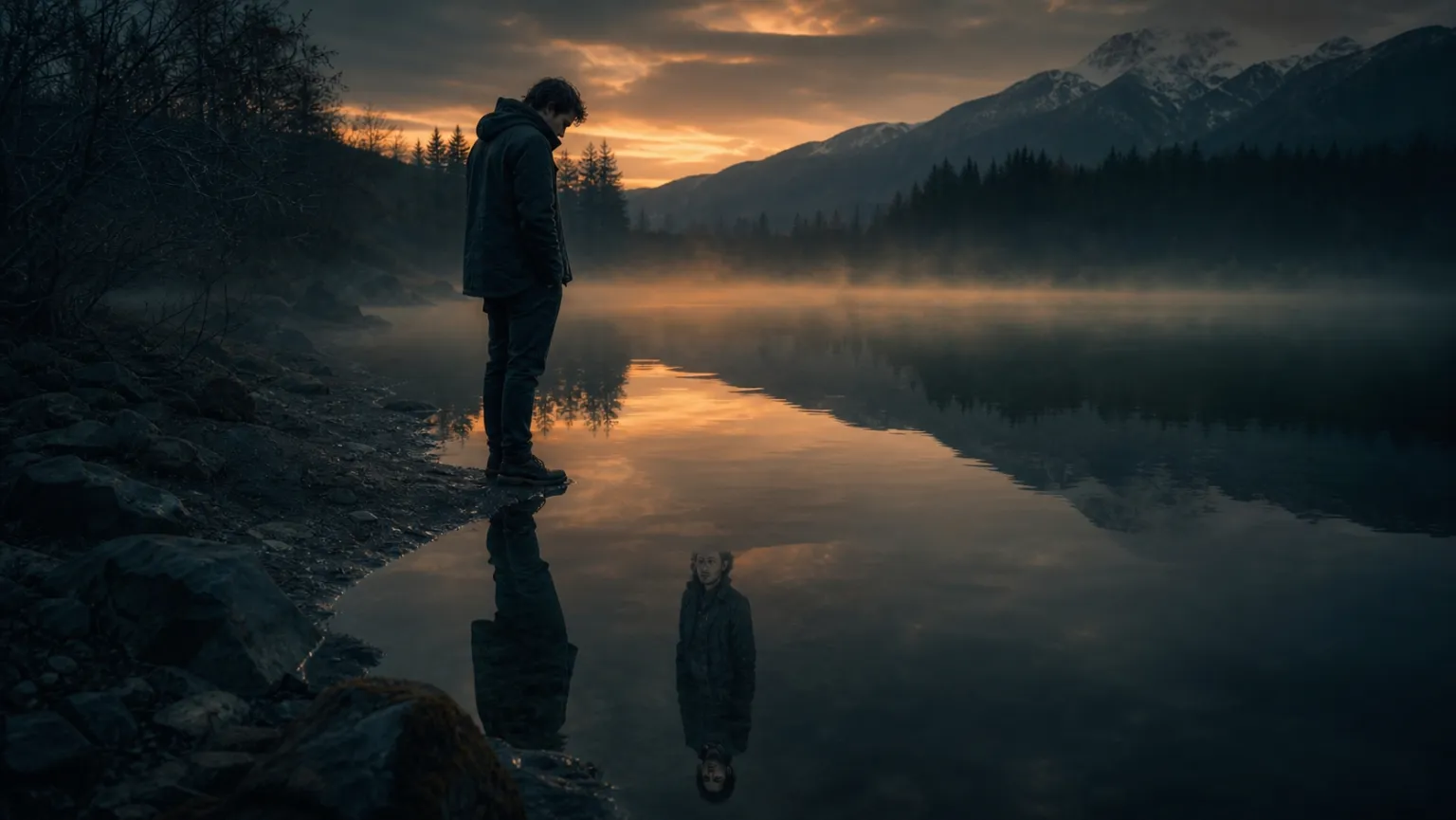
There is one part of you that you have never been formally introduced to — and yet it has been making decisions on your behalf for your entire life.
It picks fights you did not plan to start. It sabotages goals you genuinely wanted to reach. It falls in love with the wrong people, holds grudges you cannot explain, and reacts to small comments with disproportionate intensity. It shows up in your dreams as a stranger, a stalker, a dark figure in a hallway. It whispers things you would never say out loud.
Carl Jung had a name for this hidden inhabitant of the psyche. He called it the Shadow. And he believed that meeting it consciously was the single most important — and the single most dangerous — psychological task a human being could undertake.
Not dangerous because the Shadow is evil. Dangerous because facing it requires a level of honesty that most people spend a lifetime avoiding.
This guide will explain what the shadow self actually is, how it forms, why Jung considered it both the deepest threat and the greatest gift of the unconscious mind, and how to recognize its presence in your daily life. No spiritual jargon. No vague mysticism. Just clear writing about an idea that has quietly shaped modern psychology for over a century.
Safety note: Soulink is for self-reflection, not therapy or crisis support. If exploring these ideas brings up trauma, panic, or feelings you cannot safely manage, pause and seek professional help.
"Until you make the unconscious conscious, it will direct your life and you will call it fate."
— Carl JungWhat Is the Shadow Self? A Clear Definition
The shadow self is Carl Jung's name for the parts of your personality that have been pushed out of conscious awareness — the traits, emotions, impulses, and desires that you, for one reason or another, decided were unacceptable.
It is not your "dark side" in the dramatic, cinematic sense. It is not a demon or a separate personality. It is simply the collection of psychological material that did not make it into the version of yourself you present to the world.
Jung borrowed the German word Schatten — shadow — because the metaphor was precise. A shadow is created by light. The brighter the conscious image you project, the sharper and darker the shadow behind it. The two are inseparable. You cannot have one without the other.
"The shadow is a moral problem that challenges the whole ego-personality, for no one can become conscious of the shadow without considerable moral effort. To become conscious of it involves recognizing the dark aspects of the personality as present and real."
— Carl Jung, AionIn analytical psychology, the shadow is one of the core structural archetypes of the psyche — alongside the persona, the anima/animus, and the Self. While the persona is the mask you show the world, the shadow is everything the mask is designed to hide. Together, they form the two halves of a single psychological coin.
Why Jung Called It His "Most Dangerous Idea"
When Jung introduced the concept of the shadow in the early twentieth century, he was doing something quietly radical. He was telling polite, civilized, well-mannered Europeans that beneath their respectable surface lived everything they had been taught to deny — rage, greed, lust, cruelty, envy, weakness. And he was telling them that pretending otherwise was the source of most of their suffering.
This idea was dangerous for three reasons.
First, it threatened the foundation of how people saw themselves. If you believe you are fundamentally good, the suggestion that you carry within you the same capacity for cruelty as the people you condemn is genuinely destabilizing. Jung did not soften this. He insisted on it.
Second, it threatened the social order. A culture that runs on shame, suppression, and performance depends on people not looking too closely at themselves. Shadow work undermines that arrangement. It produces individuals who are harder to manipulate, harder to shame, and harder to control.
Third — and most importantly — it was dangerous to the individual who refused to do the work. Because Jung's central insight was this: the shadow does not disappear when you ignore it. It grows. It strengthens. And eventually, it takes over from behind the scenes.
"One does not become enlightened by imagining figures of light, but by making the darkness conscious."
— Carl JungIn a culture saturated with positive thinking, curated self-presentation, and the relentless pressure to appear okay, Jung's idea is more dangerous than ever. Not because it asks you to embrace your darkness, but because it asks you to stop lying about it.
How the Shadow Self Forms
You were not born with a shadow. You built one without ever meaning to.
When you were very young, you were a full spectrum of human possibility — loud and quiet, bold and afraid, tender and ferocious, selfish and generous. You did not yet know which parts of yourself were acceptable. You felt everything, and you expressed most of it freely.
Then the world began sorting you.
Your parents praised certain behaviors and discouraged others. Your teachers rewarded specific qualities and punished the rest. Your friends accepted certain versions of you and rejected what did not fit. Religious teachings, cultural norms, family rules, and unspoken expectations all combined to tell you which parts of yourself were safe to show and which had to be hidden away.
The parts you kept became your persona — the social mask you wear in public, the personality you have learned to perform.
The parts you hid became your shadow.
This is not because anyone was malicious. It is simply how socialization works. A child who cries too much learns to suppress sadness. A child who is "too loud" learns to suppress joy. A child whose anger frightens a parent learns to swallow rage. A child whose curiosity is shamed learns to dim their intelligence. Piece by piece, a self-portrait is edited down to fit the frame the environment will accept.
The rejected pieces do not vanish. They are stored in what Jung called the personal unconscious — alive, energetic, and waiting. You can read more about how the persona and shadow function as paired archetypes in our guide to Jungian archetypes.
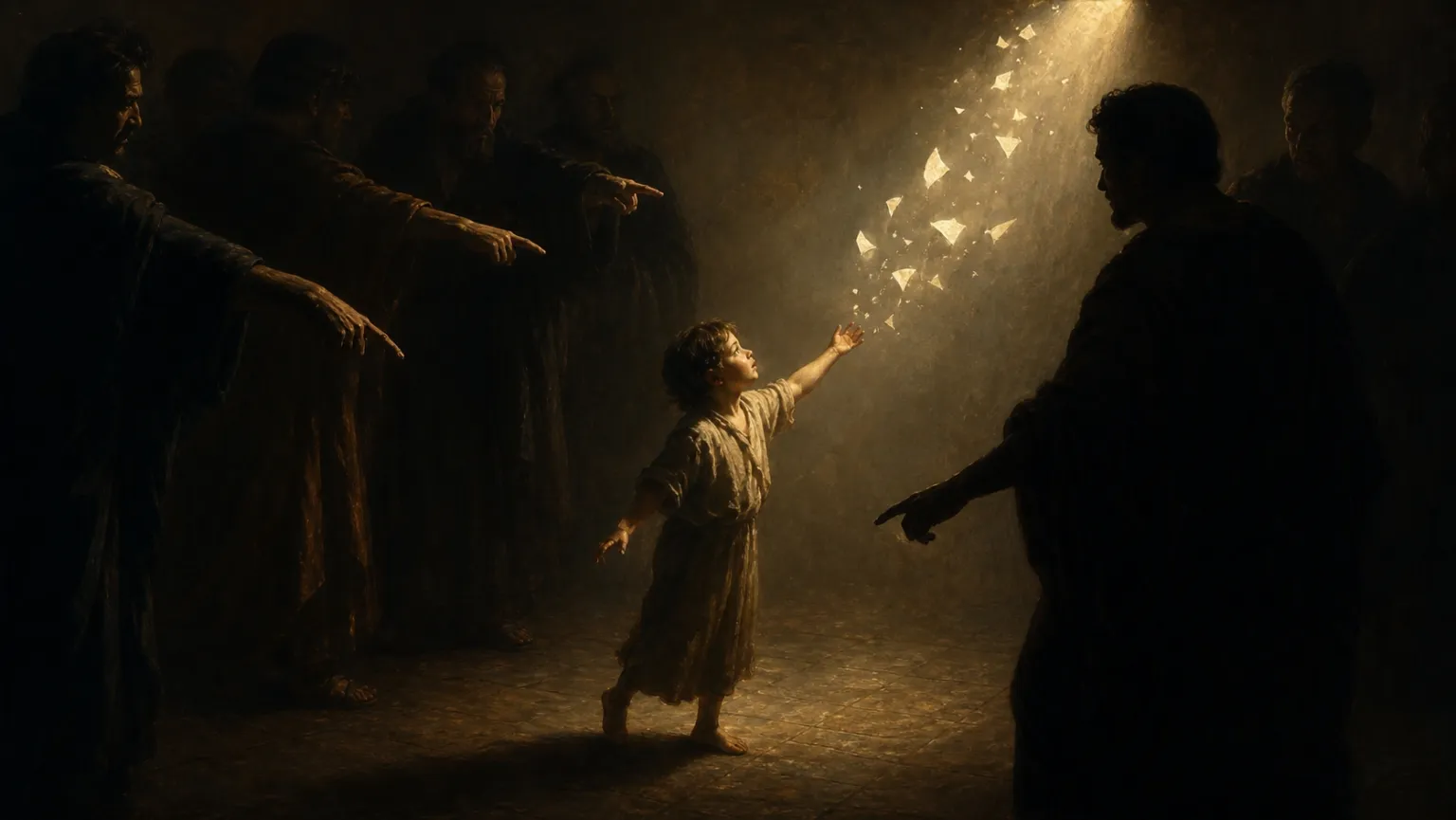
"The shadow is a moral problem that challenges the whole ego-personality… To become conscious of it involves recognizing the dark aspects of the personality as present and real."
— Carl Jung, AionThe Shadow Is Not Evil — It Is Unconscious
This is the part most people get wrong, and it is worth saying plainly: your shadow is not the worst version of you. Your shadow is the unknown version of you.
Yes, it can contain anger, jealousy, cruelty, and other qualities our culture labels as negative. But it can just as easily contain creativity, ambition, sensuality, playfulness, leadership, and tenderness — traits that were punished, mocked, or ignored when you were young, and therefore got filed away alongside the so-called darker material.
This is what Jung called the golden shadow — the buried potential. A person raised to be modest may have hidden their ambition in the shadow. A person raised to be tough may have hidden their gentleness there. A person raised to be useful may have hidden their creativity. These are not flaws. They are abandoned strengths.
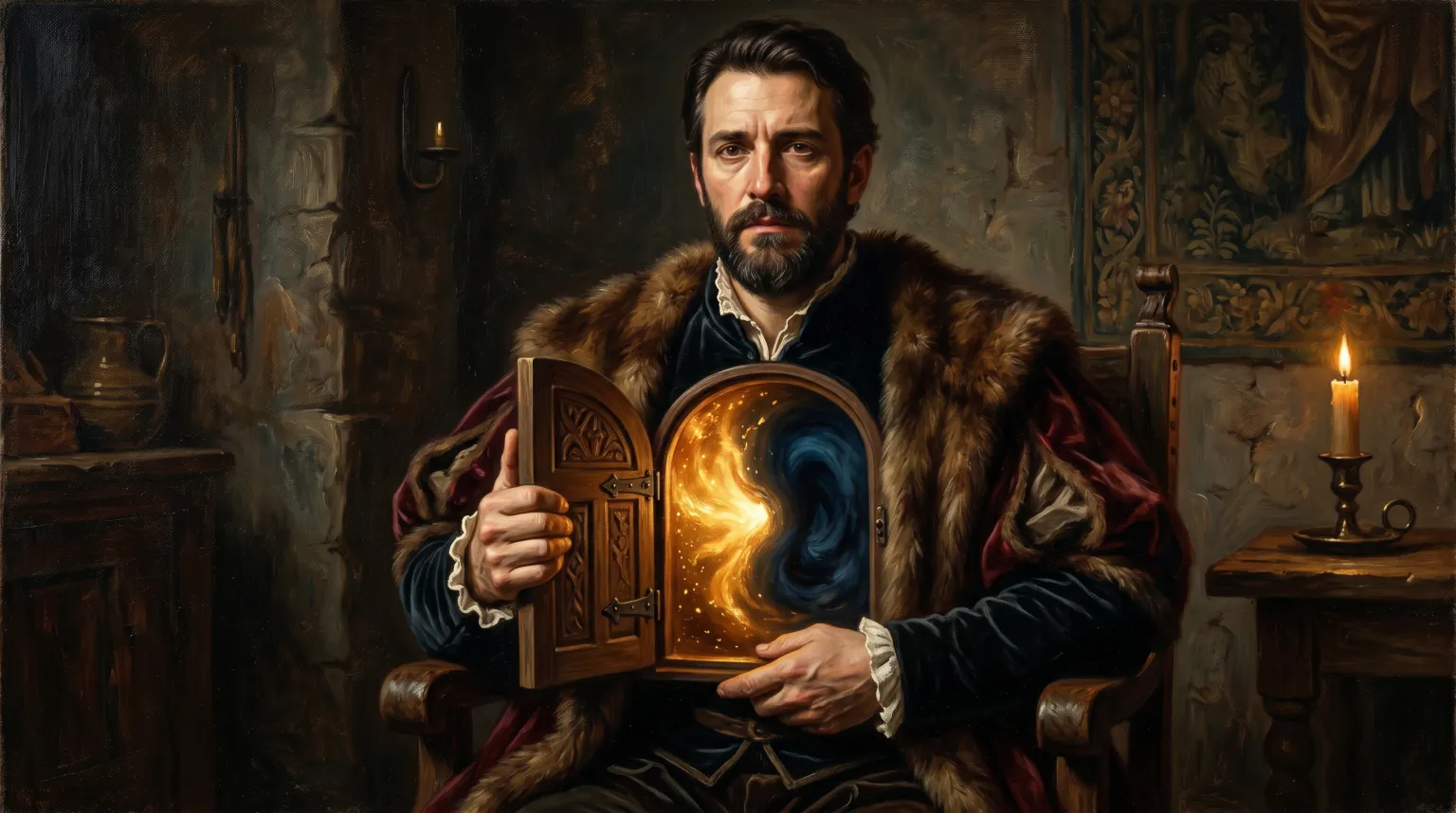
"In spite of its function as a reservoir for human darkness — or perhaps because of this — the shadow is the seat of creativity."
— Carl Jung, The Collected WorksThe danger of the shadow is not what it contains. The danger is that whatever lives there operates without your consent. An unacknowledged anger leaks out as passive aggression. An unacknowledged ambition leaks out as resentment of successful people. An unacknowledged tenderness leaks out as cynicism. The shadow is never silent. It only changes its disguise.
Seven Signs You Are Encountering Your Shadow Self
The shadow rarely introduces itself directly. It signals its presence through patterns most people dismiss as personality quirks, bad moods, or random reactions. Here are seven of the clearest signals.
- Disproportionate emotional reactions. Someone makes a minor comment and you feel a wave of rage, shame, or hurt that does not match the situation. The intensity is the clue. That intensity is not about the present moment — it is old shadow material being touched.
- Strong, specific dislike of certain people. Not people who are genuinely harming you, but people whose personalities irritate you in a way you cannot quite explain. Jung called this projection: the unconscious habit of seeing in others what we refuse to see in ourselves.
- Recurring dreams of being chased, intruders, or hidden rooms. These are classic shadow images in Jungian dream analysis. When you dream of a same-sex stranger pursuing you, or discover a room in your house you never knew existed, your unconscious is often delivering a direct message about shadow material. (More on this in our guide to recurring dreams.)
- Slips of the tongue, jokes, and "out of character" moments. Jung was deeply influenced by Freud's observation that what we accidentally say often reveals what we deliberately conceal. The cruel joke that "just came out." The criticism that escaped. The flirtation you swore you did not mean. These are not random.
- Self-sabotage right before success. You finally get close to something you wanted — the relationship, the promotion, the creative breakthrough — and you blow it up. The shadow often contains the part of you that does not believe you deserve good things, or that is loyal to an older identity in which you did not have them.
- Sudden, uncharacteristic impulses. A wave of meanness that surprises you. A desire to disappear from your own life. A flash of envy toward a close friend. These are not personality failures. They are visits from a part of yourself that does not get out much.
- The persistent feeling of performing. A quiet sense that the version of yourself other people see is not entirely real. That gap between who you are in public and who you are when no one is watching is the territory of the shadow.
If several of these resonate, you are not broken. You are paying attention. That alone is the beginning of the work.

The Shadow in Your Dreams
Dreams were central to Jung's understanding of the psyche, and the shadow has a vocabulary all its own when it appears in them.
Most often, the shadow shows up as a figure of the same sex as the dreamer — a stranger, an intruder, a pursuer, sometimes a sibling or rival. The figure may feel threatening, repulsive, or fascinating. Sometimes it is someone you know in waking life cast in an unfamiliar light. Sometimes it is a faceless presence in a dark hallway. Sometimes it is an animal — a wolf, a snake, a black dog.
The setting matters too. Hidden basements, locked rooms, attics, forgotten houses, dark forests — these are the geography of the unconscious. A dream in which you discover a room in your home you never knew existed is one of the most common — and most important — shadow dreams a person can have.
"The dream is a little hidden door in the innermost and most secret recesses of the soul."
— Carl JungJung believed dreams were compensatory — they show you what your conscious attitude is missing. If your waking life has become too polished, your dreams may turn rough. If you have been suppressing grief, your dreams may flood. If you have been denying anger, your dreams may bring fire. Learning to read the shadow in your dreams is one of the most direct ways to meet the parts of yourself you do not encounter during the day. Our full guide to Jungian dream analysis walks through this process in detail.

Real-World Examples of the Shadow in Action
Abstract theory only goes so far. Here are three short scenarios that illustrate how the shadow operates in ordinary life.
The kind person who explodes. A woman has built her identity around being patient, generous, and accommodating. She prides herself on never raising her voice. Then one ordinary Tuesday, a coworker takes credit for her idea, and she snaps — not loudly, but coldly, with a sentence so cutting that she replays it for weeks. The intensity confuses her. It does not match the person she believes she is. What she has met is her shadow: the assertive, self-protective anger she has been suppressing for thirty years, finally arriving uninvited.
The successful professional who self-sabotages. A man has worked toward a particular promotion for half a decade. The week he is offered the role, he picks a serious fight with his partner, drinks too much at a work event, and shows up late to a meeting he has never been late to. He cannot explain his own behavior. His shadow contains an old belief he never examined — that people like him do not get to win — and as success approaches, that belief acts out to preserve the older, more familiar identity.
The moralist who obsesses over others' faults. A man who considers himself deeply ethical spends hours each week cataloging the moral failures of public figures, acquaintances, and strangers online. The fixation is exhausting and it never resolves. What he is doing, without knowing it, is meeting his own shadow in the safest possible way: by locating it in other people. His own capacity for the very behaviors he condemns remains conveniently invisible.
In all three cases, the shadow is not evil. It is simply the part of the self that the conscious mind has refused to know. And in all three cases, the cost of not knowing it is significant.
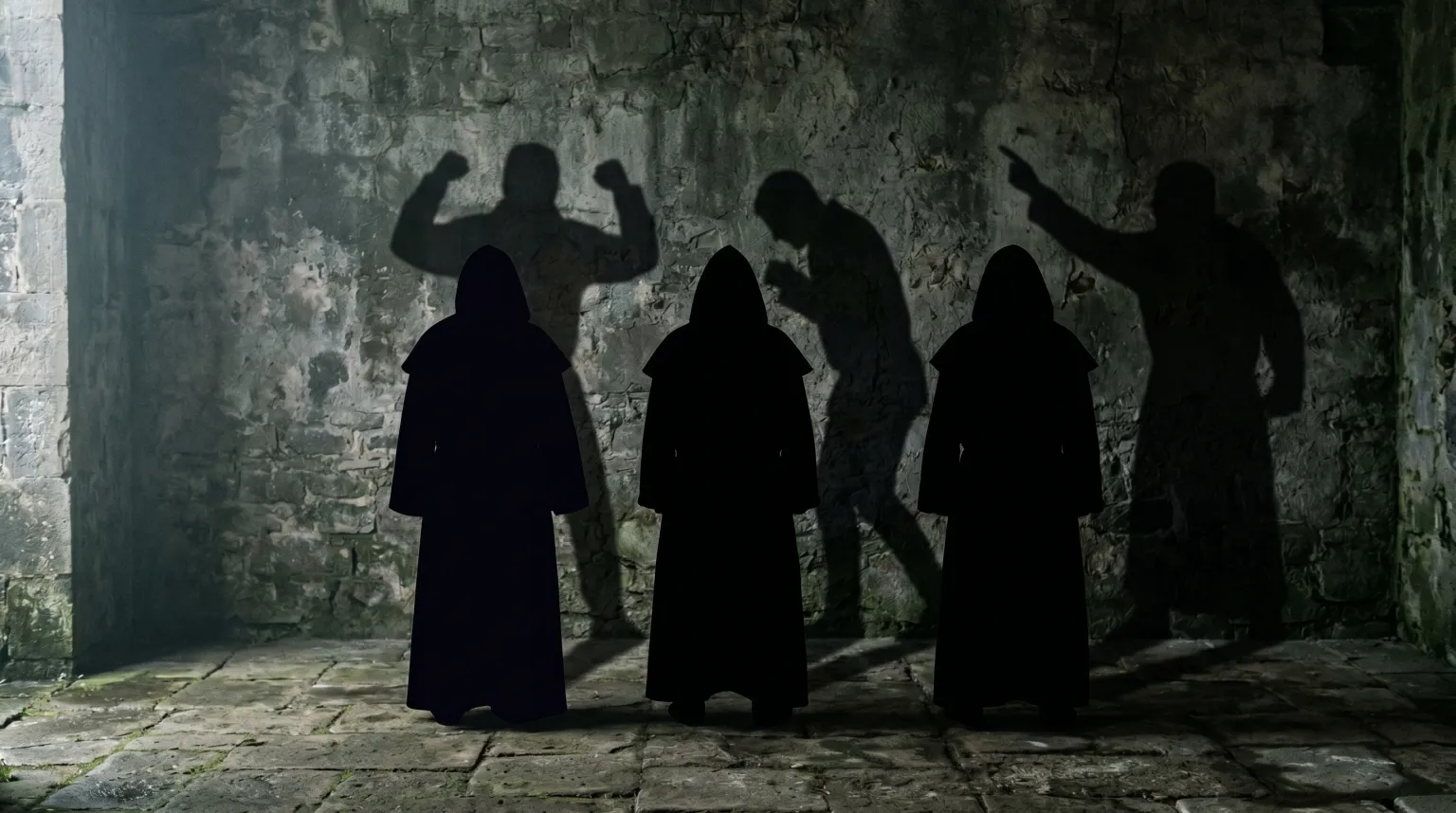
Shadow Self vs. Shadow Work — What Is the Difference?
These two terms get used interchangeably, but they describe different things.
The shadow self is the structure — the part of your psyche that holds everything you have rejected, suppressed, or never developed. It is a permanent feature of being human. Everyone has one. It cannot be eliminated, only related to differently.
Shadow work is the practice — the conscious, deliberate process of exploring and integrating the contents of the shadow into your awareness. It involves journaling, dream analysis, examining your projections, sitting with discomfort, and learning to acknowledge parts of yourself you have been avoiding.
You do not "fix" your shadow self through shadow work. You build a relationship with it. The goal is not purity. The goal is what Jung called individuation — the lifelong process of becoming whole by integrating the conscious and unconscious dimensions of who you are. If you want a practical, step-by-step starting point, our guide on how to do shadow work is built exactly for that.
Why Recognizing Your Shadow Self Matters Today
We live in a time engineered to keep the shadow hidden.
Social media trains us to curate. Algorithms reward the polished version. Professional life demands an ever-more-refined persona. The cultural pressure to appear okay, optimized, healed, and emotionally fluent is greater than at any point in modern history. The mask is no longer just something you wear in public — it has become something you perform for yourself, in the mirror, when no one else is watching.
And underneath all of it, the shadow grows.
You can see the cost everywhere. The disproportionate rage that breaks out in comment sections. The collective fascination with public downfalls. The exhaustion of millions of people who feel they are performing a life they no longer recognize. None of this is an accident. It is what happens when an entire culture decides not to look at the parts of itself it cannot accept.
"People will do anything, no matter how absurd, to avoid facing their own souls."
— Carl JungJung's most dangerous idea is also, paradoxically, the most liberating one. The shadow is not the enemy of the authentic self. It is its missing half. You cannot become whole without it. And you cannot become honest without meeting it.
The work is not glamorous. It does not photograph well. It will not make you more marketable. But it will, slowly and quietly, give you back something most people lose long before they realize it: the experience of being a real person, not a performance.
Meet Your Shadow with Dr. L
If this guide resonated with you and you want to go deeper than reading alone, Soulink was built for exactly this kind of inner work. Soulink is an AI-powered self-reflection platform inspired by Jungian depth psychology — not generic wellness content, but a structured mirror for triggers, projections, contradictions, and the slow process of integration.
Dr. L — The Shadow Philosopher is designed specifically for shadow work. Dr. L does not offer affirmations or surface-level encouragement. It asks the questions you have been avoiding, sits with you in the discomfort, and helps you explore the parts of yourself that your conscious mind has been keeping out of sight.
If you have been journaling and want a reflective companion that goes deeper, Dr. L can help you identify your triggers, trace your patterns back to their origin, and begin the long, honest work of integration — all in a private, encrypted space where your data is never sold and never used to train models. Soulink is hosted in the EU and designed with privacy at its core.

Start free. 100 credits. No credit card needed.
Meet Dr. L →Sources and Further Reading
- Carl Jung, Aion: Researches into the Phenomenology of the Self (Collected Works, Vol. 9ii), Princeton University Press, 1959.
- Carl Jung, The Archetypes and the Collective Unconscious (Collected Works, Vol. 9i), Princeton University Press, 1959.
- Carl Jung, Psychology and Religion: West and East (Collected Works, Vol. 11), Princeton University Press, 1969.
- Carl Jung, Memories, Dreams, Reflections, Vintage Books, 1963.
- Robert A. Johnson, Owning Your Own Shadow: Understanding the Dark Side of the Psyche, HarperOne, 1991.
- Connie Zweig and Jeremiah Abrams (eds.), Meeting the Shadow: The Hidden Power of the Dark Side of Human Nature, TarcherPerigee, 1991.
- Marie-Louise von Franz, Shadow and Evil in Fairy Tales, Shambhala, 1995.
- Erich Neumann, Depth Psychology and a New Ethic, Shambhala, 1990.